
History
The origin of the cocktail
The term 'cocktail' as a named mixed drink is first documented in the early United States, with the classic definition appearing in 1806. However, the word's etymology and any earlier usage remain incomplete and disputed.
DrinkKnird editorial · September 14, 2026 · 3 min read
Early documented uses of the word cocktail
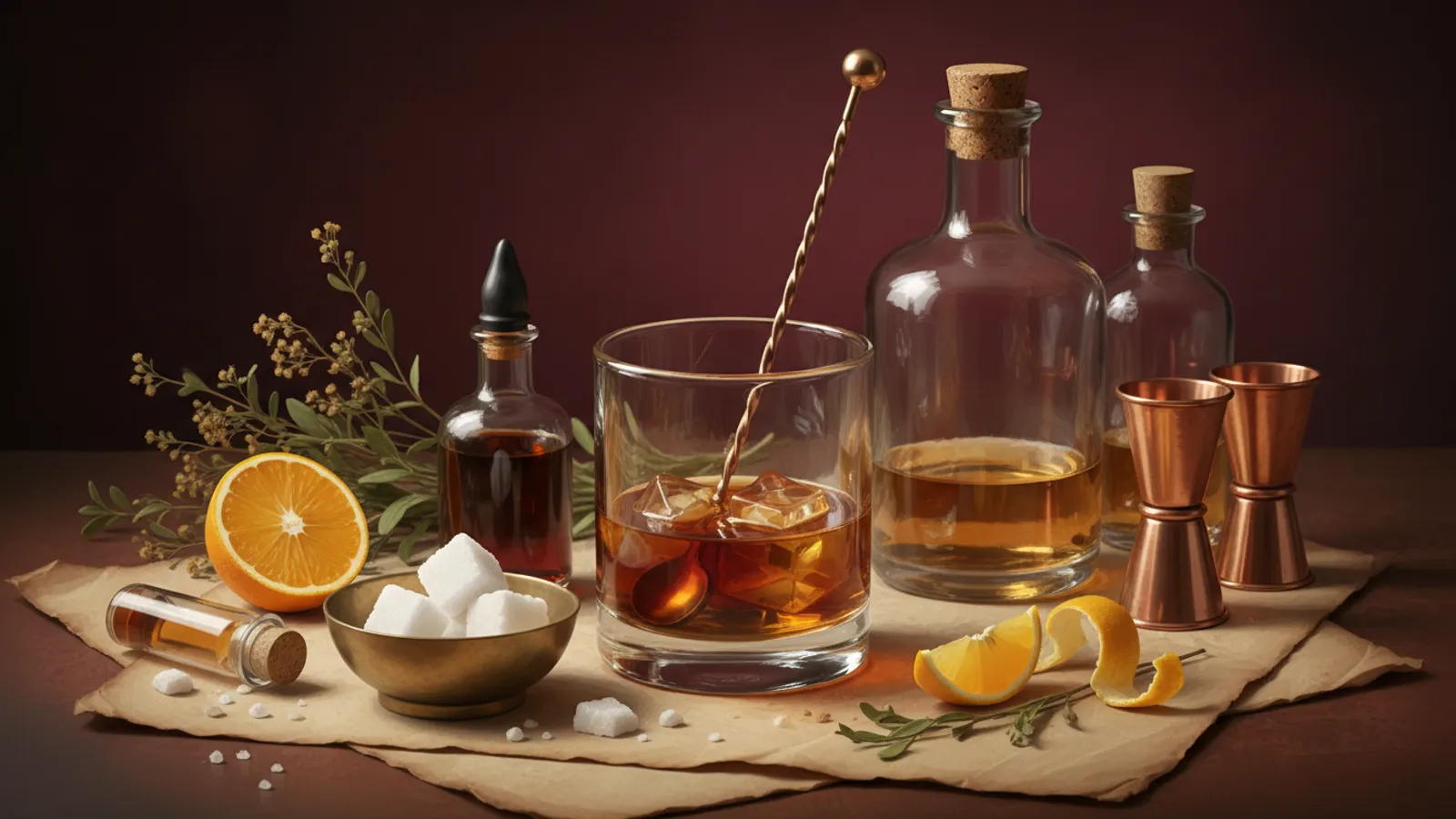
The word cocktail as a term for a mixed alcoholic drink is first clearly documented in the early 19th century United States. The earliest known reference to cocktail in connection with a drink dates to 1806, when it appeared in The Balance, and Columbian Repository, a publication from Hudson, New York. This reference defined a cocktail as a stimulating liquor, composed of spirits of any kind, sugar, water, and bitters. This is the earliest formal definition of the cocktail as a specific mixed drink.
Prior to its association with drinks, the word cocktail had other meanings, including a horse with a docked or cocked tail and a term for mixed pedigree animals. These earlier senses are unrelated to the drink meaning and contribute to the complexity of the word's history.
The 1806 Balance and Columbian Repository definition
The 1806 definition from The Balance, and Columbian Repository is the foundational documented description of the cocktail as a mixed drink. It states: Cock tail, then, is a stimulating liquor, composed of spirits of any kind, sugar, water, and bitters. This formula is often cited as the classic cocktail recipe and marks the first clear instance where the term is used in a standardized way to describe a specific type of mixed alcoholic beverage.
This definition established the cocktail as a distinct category of drink, differentiating it from straight spirits or other beverages. It also laid the groundwork for the later broadening of the term to include a wider variety of mixed drinks beyond this original formula.
Evidence regarding earlier usage
While the 1806 definition is the earliest clear documentation of the cocktail as a mixed drink, the word itself existed earlier with different meanings. The 1798 reference to cocktail in relation to ginger is the only known earlier use connected to drinks, but it lacks the formal recipe or clear indication that it referred to the same concept as the 1806 definition.
The word cocktail also appeared in English in other contexts, such as describing a horse with a docked tail or an animal of mixed breed. These meanings predate the drink usage and have led to various speculative theories about the etymology of the cocktail as a beverage name. However, no definitive evidence links these earlier senses directly to the mixed drink term.
Codification of cocktail culture, including Jerry Thomas
The cocktail as a named mixed drink gained further cultural codification in the mid-19th century, particularly through printed bartending manuals. One of the most influential figures in this process was Jerry Thomas, whose 1862 book How to Mix Drinks, or The Bon-Vivant's Companion (also known as the Bar-Tender's Guide) compiled recipes for cocktails and many other mixed drinks.
Thomas's manual helped standardize and popularize cocktail recipes and bartending practices in the United States. It gathered a wide range of drinks under the umbrella of cocktails and contributed to the term's evolution from the specific 1806 formula to a broader category of mixed alcoholic beverages. His work remains a key historical source for understanding early American cocktail culture.
Why the exact etymology or origin remains disputed
Despite the early documented uses and the 1806 definition, the exact etymology and origin of the word cocktail as a name for mixed drinks remain uncertain and disputed. The word had multiple earlier meanings unrelated to beverages, and the transition to its drink sense is not clearly documented.
Several competing theories exist, but none have definitive historical evidence. The 1798 ginger-related mention is too vague to confirm as the origin of the cocktail drink term. Theories linking the word to horse terminology or mixed pedigree animals are speculative and lack direct support.
This incomplete historical record means that while the cocktail as a named mixed drink is firmly documented from 1806 onward, the word's deeper linguistic roots and any earlier usage remain a subject of debate among historians and etymologists.
For those interested in exploring related culinary traditions, see articles like The Art of Homemade Wine: From Simple Grape Juice to Complex Fermentation or Winter Cranberry Citrus Punch for seasonal mixed drink ideas.
Keep reading
History
The Art of Winter Food Storage: A Historical Journey
Food preservation has shaped human survival for thousands of years, evolving from necessity into a blend of tradition, science, and modern technology. Early civilizations developed essential preservation methods—drying, salting, fermenting, smoking, and freezing—to survive harsh winters and seasonal shortages. These ancient techniques formed the foundation of global culinary cultures, with regional variations influenced by climate: Arctic communities froze and smoked fish, African regions relied on drying and fermentation, and European societies mastered pickling and later canning. Throughout the Middle Ages and Renaissance, innovations like ice houses and early airtight storage expanded food security, while global trade spread new preservation strategies. The Industrial Revolution transformed food storage with refrigeration, pasteurization, and mass-produced canned goods, making preserved foods widely accessible. Today, sustainability concerns have revived traditional methods such as fermentation, canning, and root cellaring, helping reduce food waste and strengthen local food systems. Looking ahead, modern technologies—smart refrigerators, freeze-drying, vacuum sealing, high-pressure processing, and renewable-powered storage—are shaping the future of food preservation. Together, these historical and contemporary practices reveal how human ingenuity has continually adapted to protect, store, and extend the life of food.
History
Thanksgiving Through the Ages: A True Tale of Traditions and Transformations
Thanksgiving traces back to 1621, when Pilgrims in Plymouth shared a harvest feast with the Wampanoag tribe. This early celebration honored gratitude, survival, and cooperation between two cultures learning to thrive together. The first Thanksgiving meal looked much different than today’s tables. It featured wild turkey, duck, and venison, along with fish, shellfish, corn, beans, and squash—foods native to the region and essential for sustaining early settlers. As centuries passed, Thanksgiving traditions evolved alongside farming practices, cultural influences, and expanding communities. Wild game gradually gave way to farm-raised turkey, and once-simple vegetable dishes grew into the wide variety we recognize today—green beans, sweet potatoes, Brussels sprouts, and more. Seasonings also expanded from local herbs like sage and thyme to global flavors such as cinnamon, nutmeg, paprika, and ginger. Modern Thanksgiving meals reflect America’s diversity. Families blend heritage and tradition, introducing dishes such as tamales, pierogi, lasagna, or plant-based proteins, showcasing the holiday’s inclusive spirit. While menus continue to change, the core meaning of Thanksgiving endures: gathering together, expressing gratitude, and honoring shared history. Each table tells a story—one rooted in the past yet evolving with every generation.
History
The Influence of British Food on World Cuisine: From Humble Beginnings to Fine Dining Excellence
Explore the fascinating evolution of British cuisine, from its humble prehistoric roots to the refined gastronomy that defines the United Kingdom today. This post traces how Roman, medieval, and colonial influences shaped British food, introducing key ingredients like spices, potatoes, and tomatoes that transformed the national palate. Learn how global trade and the British Empire revolutionized everyday meals, leading to comfort food classics like fish and chips, shepherd’s pie, and the full English breakfast. Discover how the Industrial Revolution, fine dining pioneers like Heston Blumenthal, and modern culinary innovators have elevated British cooking onto the world stage. From traditional roasts to Michelin-star artistry, British cuisine reflects centuries of adaptation, cultural exchange, and innovation — a story of flavor that continues to evolve.