
DrinkKnird

Search

Browse everything, or type an ingredient, spirit, or dish.

clear drinking glass with red liquid

Drink Recipes

The Art of Homemade Wine: From Simple Grape Juice to Complex Fermentation

Discover the art and science of homemade wine with this complete beginner-to-advanced guide designed for curious home winemakers. Learn the rich history of winemaking, from ancient civilizations to modern home fermentation, and understand why crafting wine at home is both rewarding and deeply personal. This guide walks you through every stage of the process, starting with simple grape juice and yeast recipes and progressing to more advanced techniques using fresh grapes, controlled fermentation, and aging methods. You’ll explore essential winemaking ingredients, fermentation fundamentals, sanitation best practices, and common mistakes that can ruin flavor or safety. Clear explanations help demystify yeast behavior, sugar conversion, temperature control, and aging timelines so you can create better-tasting wine with confidence. The guide also highlights legal and safety considerations every home winemaker should understand before starting, helping you avoid costly or dangerous missteps. Whether you’re making your first batch or refining your process, this introduction to homemade wine gives you the knowledge to experiment with flavors, personalize your wine, and share memorable bottles with friends and family. Perfect for beginners and passionate hobbyists alike, this page is your starting point for turning simple ingredients into handcrafted wine worth celebrating.
Avgolemono (Greek Chicken Rice Egg Lemon Soup)

Food Recipes

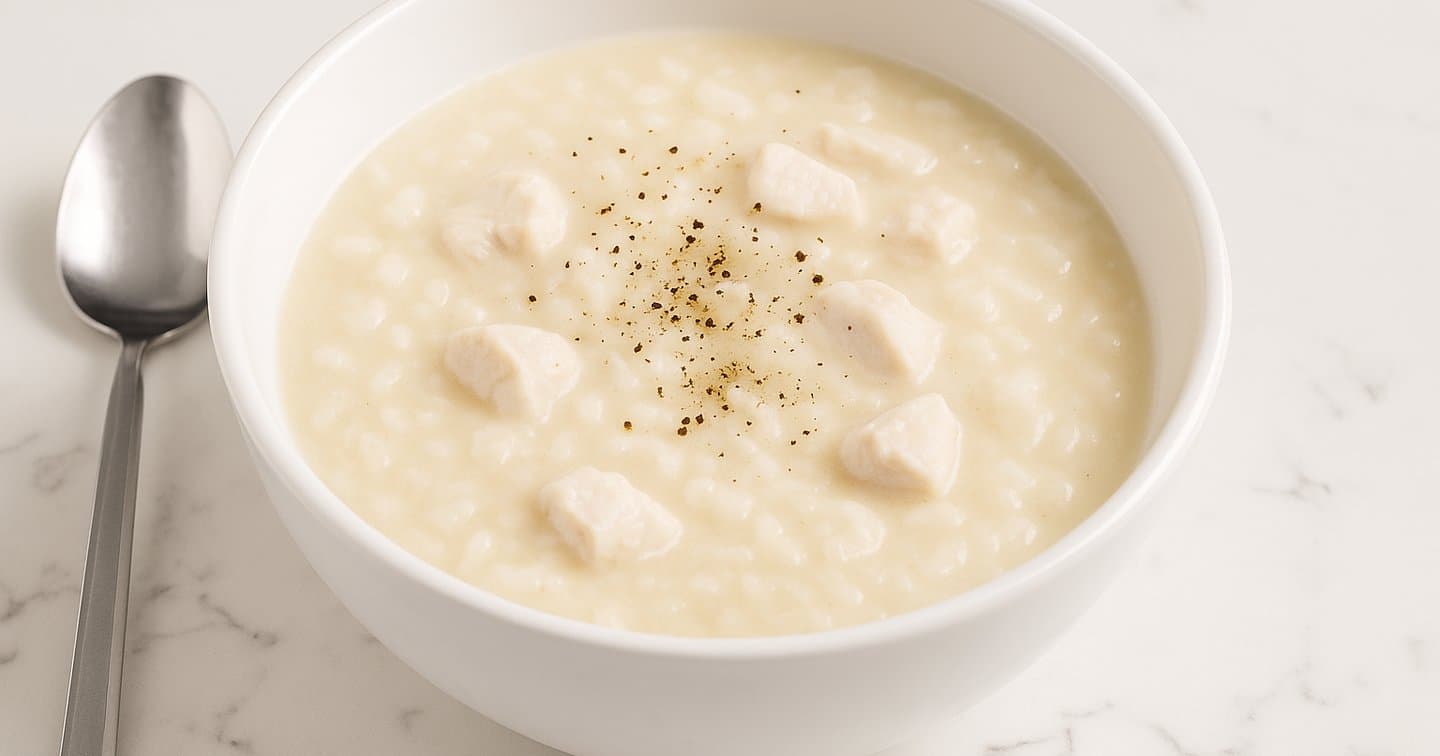
Avgolemono (Greek Chicken Rice Egg Lemon Soup)

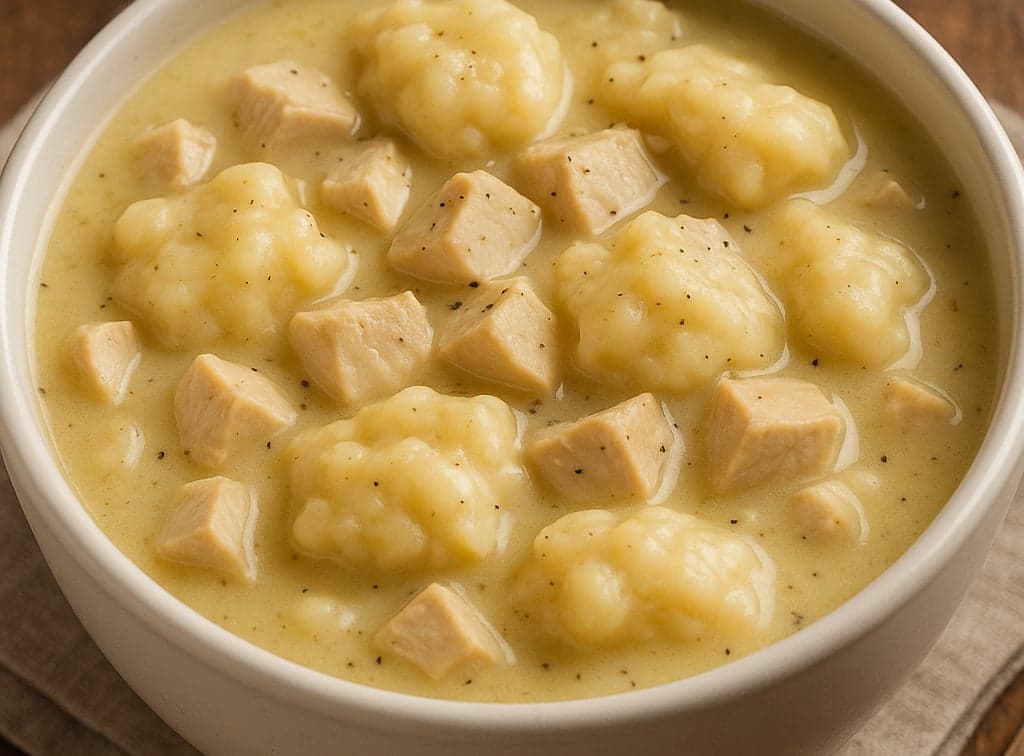
Discover the best Avgolemono recipe — a rich, silky Greek chicken and rice soup made with fresh lemon, eggs, and tender chicken pieces. This easy, no-temper Avgolemono method inspired by America’s Test Kitchen delivers authentic Greek flavor with a foolproof modern twist. Learn the history of Avgolemono, get step-by-step instructions, and make a creamy lemon chicken soup that’s perfect for weeknight cooking, Mediterranean diets, and traditional Greek comfort food. Ideal for home cooks searching for “easy Avgolemono,” “Greek lemon chicken soup,” “authentic Avgolemono recipe,” and “creamy Greek soup with rice.” Perfect balance of lemon, chicken, and broth for the ultimate Greek soup experience.

Adalina Prime-Inspired Mac & Cheese (with tteok-bokki rice cakes)

Food Recipes

Adalina Prime-Inspired Mac & Cheese (with tteok-bokki rice cakes)

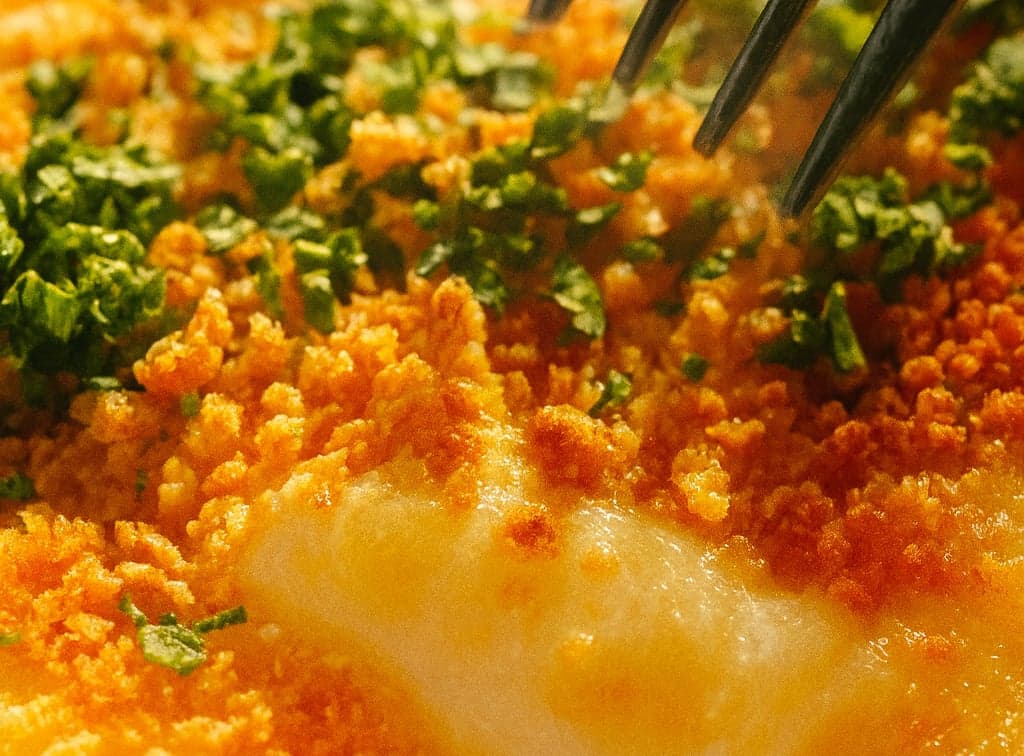
This Korean-inspired mac and cheese recipe based on Chef Soo Ahn’s signature dish from Adalina Prime in Chicago. This elevated twist on classic mac and cheese replaces traditional pasta with chewy Korean tteok-bokki rice cakes and features a rich, velvety cheese sauce made with restaurant-level techniques. Learn how to recreate the flavors, textures, and golden breadcrumb topping that make this dish a standout favorite. Developed using Amy’s firsthand tasting notes and inspired by Chef Soo Ahn’s fusion approach, this recipe blends Korean comfort food with modern American indulgence. Perfect for home cooks searching for gourmet mac and cheese, Korean fusion recipes, or Adalina Prime–style dishes.

Robuchon Mashed Potatoes (Pommes Purée)

Food Recipes

Robuchon Mashed Potatoes (Pommes Purée)

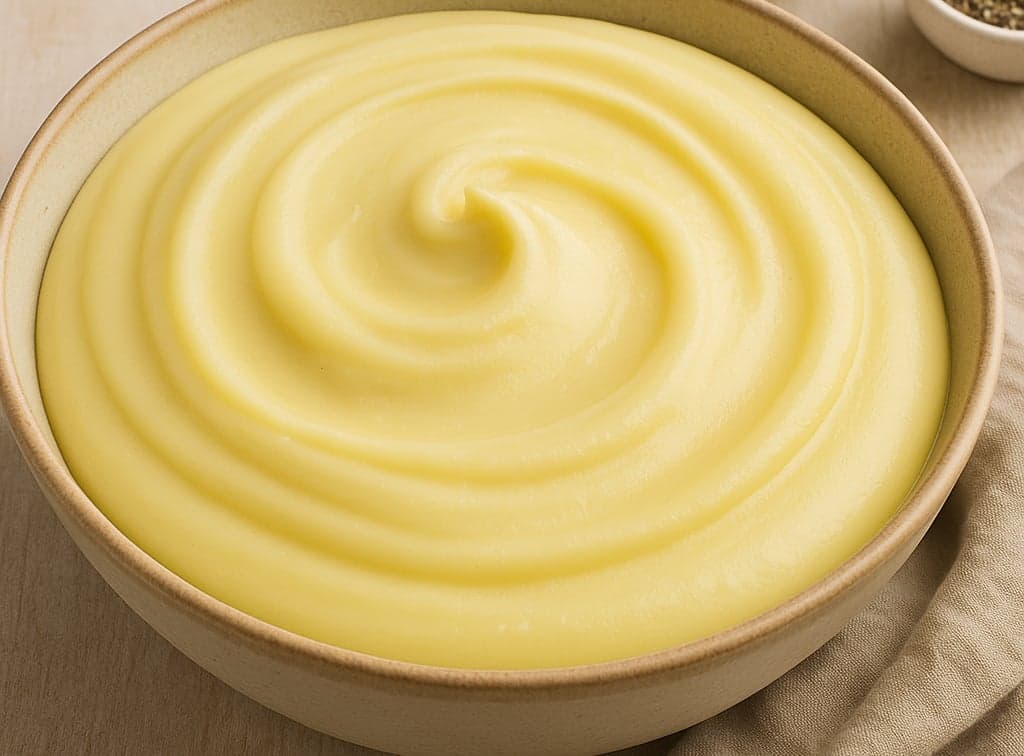
Few side dishes in history have achieved the legendary status of Joël Robuchon’s Pommes Purée, the silky, buttery mashed potatoes that changed the way chefs — and diners — view this humble comfort food. First introduced in the 1980s at Robuchon’s famed Paris restaurant Jamin, this dish quickly became iconic for its impossibly smooth texture, delicate sheen, and rich, velvety flavor. Often described as “the world’s best mashed potatoes,” it epitomizes French precision and perfection. This version follows Robuchon’s original technique: Yukon Gold or Ratte potatoes are gently simmered, dried to remove excess moisture, and passed through a fine ricer before being blended with cold butter and warm milk to form a flawless emulsion. The result is a potato purée so airy and smooth it feels closer to silk than starch. Unlike rustic mashed potatoes, Robuchon’s purée is pure refinement — each step intentional, each detail essential. The story of Pommes Purée is also the story of modern French cuisine: simplicity elevated through meticulous craftsmanship. Robuchon proved that a dish with only three core ingredients could earn global acclaim through balance, precision, and technique. Over the years, chefs have created countless variations — from garlic-infused and truffle-enriched versions to brown-butter, herbed, and cheese-laden riffs inspired by aligot, the French mountain specialty. Yet the foundation remains the same: perfect potatoes, quality butter, and patience. Whether served alongside a holiday roast, a fine steak, or simply savored on its own, these mashed potatoes deliver pure culinary indulgence. Luxurious, comforting, and steeped in history, Robuchon-Style Mashed Potatoes represent the pinnacle of what simple ingredients can achieve — a timeless recipe that continues to define excellence in both home and professional kitchens.

Asian-Influenced Char Siu Ham (Using Pre-Sliced Gift Hams)

Food Recipes

Asian-Influenced Char Siu Ham (Using Pre-Sliced Gift Hams)

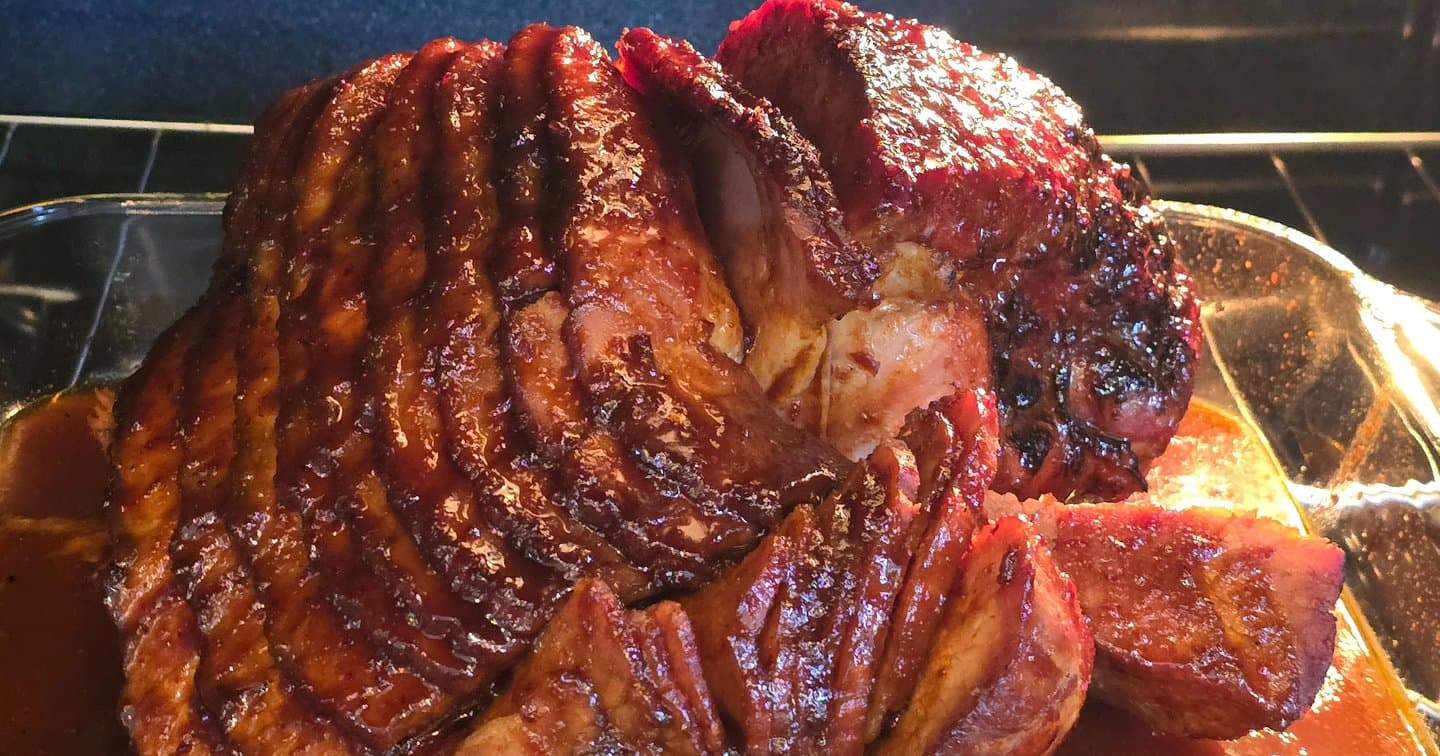
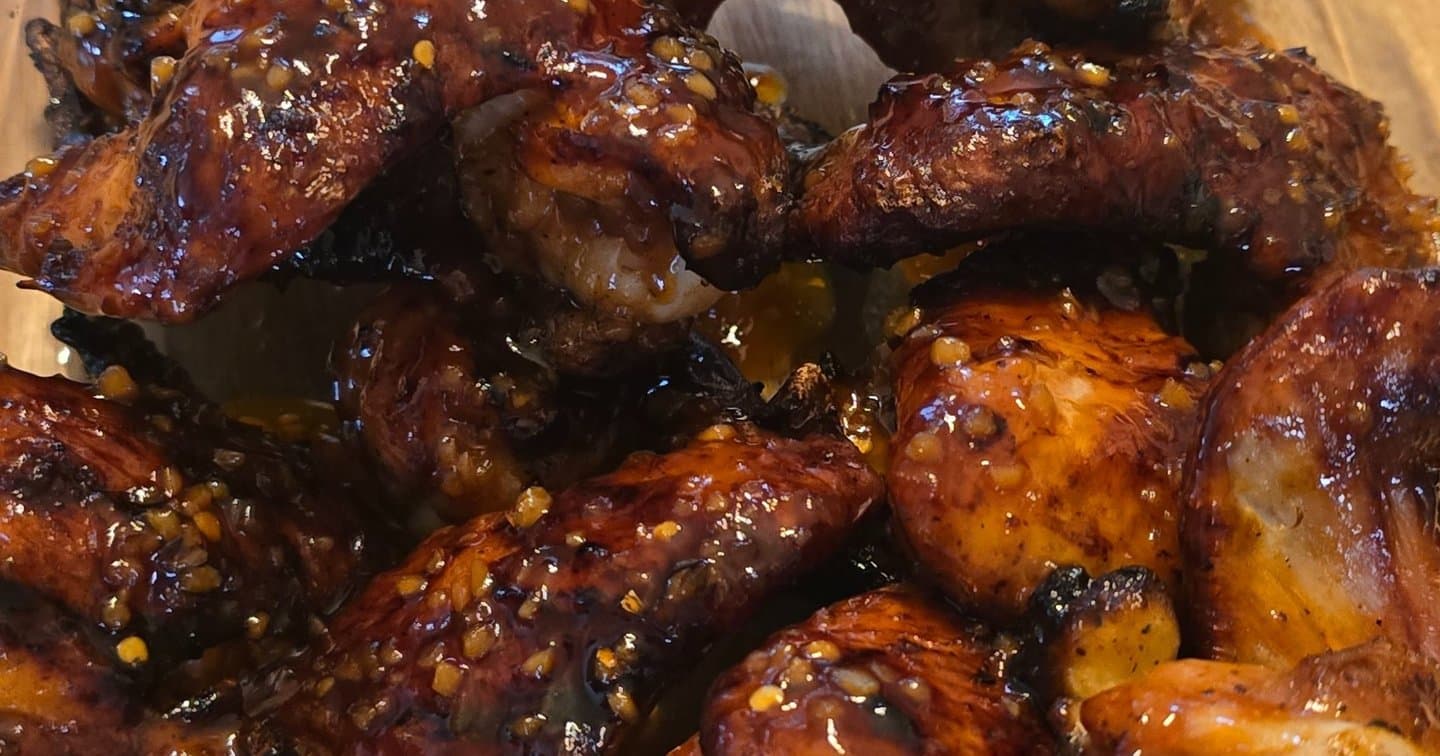
Transform your leftover spiral ham into an irresistible masterpiece with this Asian-inspired Char Siu Ham recipe—a glossy, sticky, sweet glazed ham bursting with bold Chinese BBQ flavor. This easy Char Siu spiral ham uses a blended hoisin-based glaze packed with garlic, five-spice, and soy sauce, creating restaurant-quality caramelization without burning the sugars. Perfect for anyone searching for leftover ham ideas, holiday ham upgrades, spiral ham recipes, or Chinese Char Siu at home, this dish delivers deep flavor, vibrant color, and unbelievable tenderness. Serve it on bao buns, over white rice, or eat it on its own. Includes a full Char Siu whole ham variation, plus sandwich-ready instructions for chopping and tossing the ham for maximum saucy, flavorful bites. This is the ultimate fusion ham recipe for home cooks who want a show-stopping, mouth-watering upgrade to the classic baked ham.

Ultimate Turkey Brine Recipe - Juicy, Flavorful, and Foolproof Every Time

Food Recipes

Ultimate Turkey Brine Recipe - Juicy, Flavorful, and Foolproof Every Time

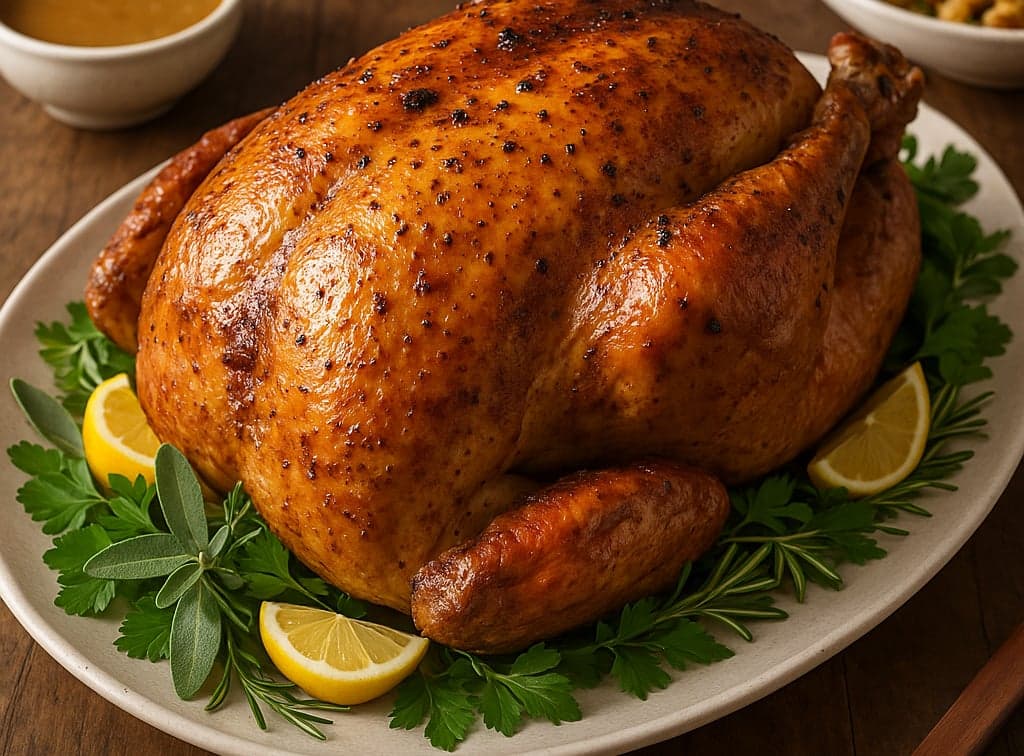
Want the most flavorful and juicy Thanksgiving turkey ever? This easy turkey brine recipe guarantees tender meat and golden, crispy skin. Backed by years of cooking and fried-chicken brining techniques, this guide explains why brining works and how a touch of baking soda makes poultry extra moist. Choose your style: Classic herb, Cajun spice, Asian-citrus, or maple bourbon. Perfect for roasting, smoking, or deep-frying your turkey. Level up your holiday table with Drinkknird.

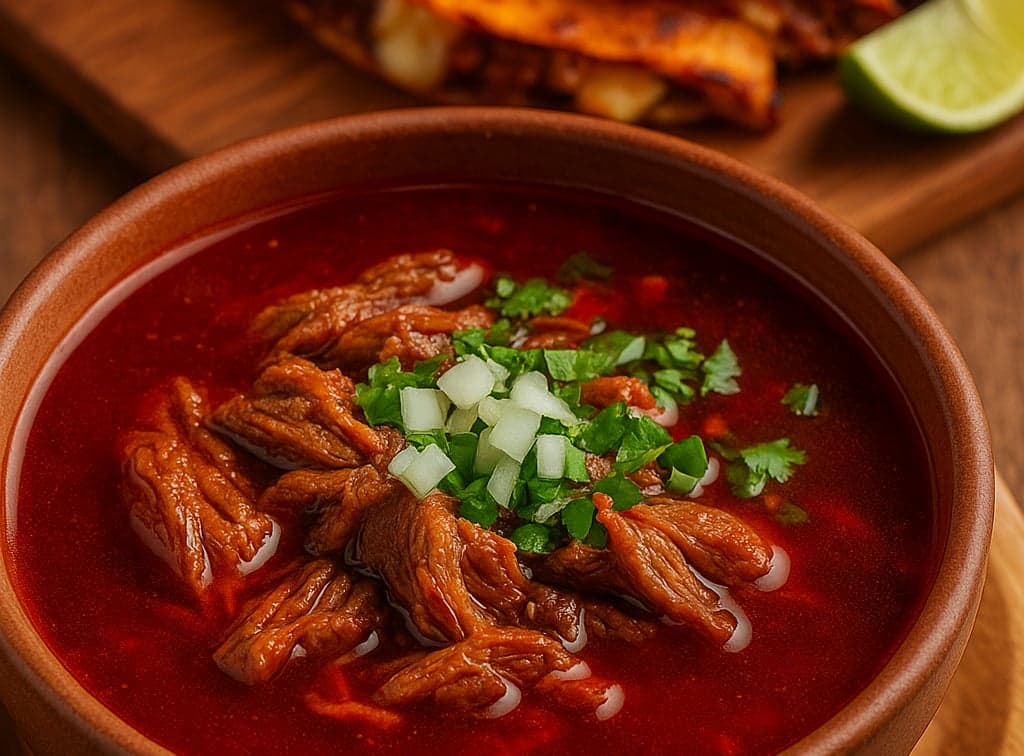
Birria de res with and Birria de res Tacos

Food Recipes

Birria de res with and Birria de res Tacos

Rooted in the rich culinary traditions of Jalisco, Mexico, Birria de Res began as a celebratory stew — slow-cooked over open flames and shared at weddings, holidays, and family gatherings. Originally made with goat, the dish evolved over generations, with beef versions becoming popular for their tender texture and bold flavor. Today, birria has taken the world by storm thanks to quesabirria tacos — crispy, cheese-filled tortillas dipped in the stew’s flavorful red consommé. This recipe stays true to its origins with a deep, smoky blend of dried chiles, roasted tomatoes, and spices, slow-simmered with beef until it’s fall-apart tender. Whether ladled into bowls or tucked inside a golden taco, Birria de Res is the ultimate comfort food — rich, aromatic, and steeped in Mexican tradition.

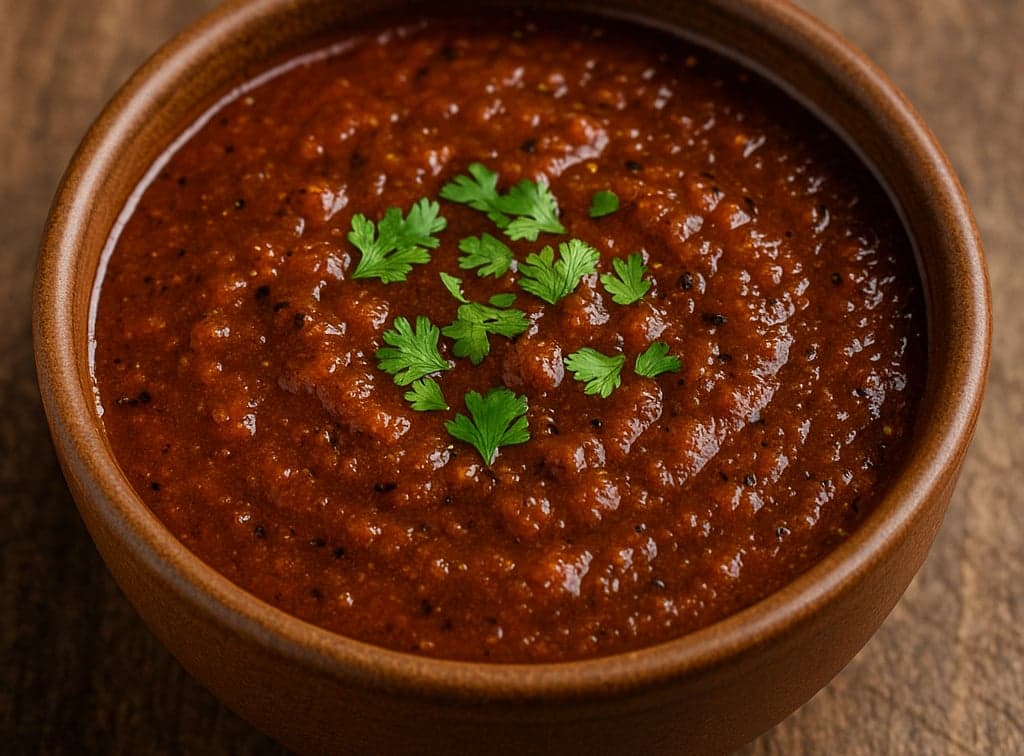
Salsa Roja (Spicy Red Tomatillo & Chile de Árbol Salsa)

Food Recipes

Salsa Roja (Spicy Red Tomatillo & Chile de Árbol Salsa)

This fiery Salsa Roja, inspired by Guga Foods’ signature smoky style, captures the essence of authentic Mexican flavor. Roasted tomatillos, garlic, and onion meet toasted chile de árbol and a hint of olive oil to create a deep, bold, and spicy red sauce that’s as versatile as it is addictive. Perfect for tacos, birria, grilled meats, or breakfast eggs, this salsa delivers rich heat and tang balanced with roasted depth. Whether you like it mild or extra hot, it’s the ideal way to bring that smoky taquería flavor home — simple, fresh, and packed with personality.

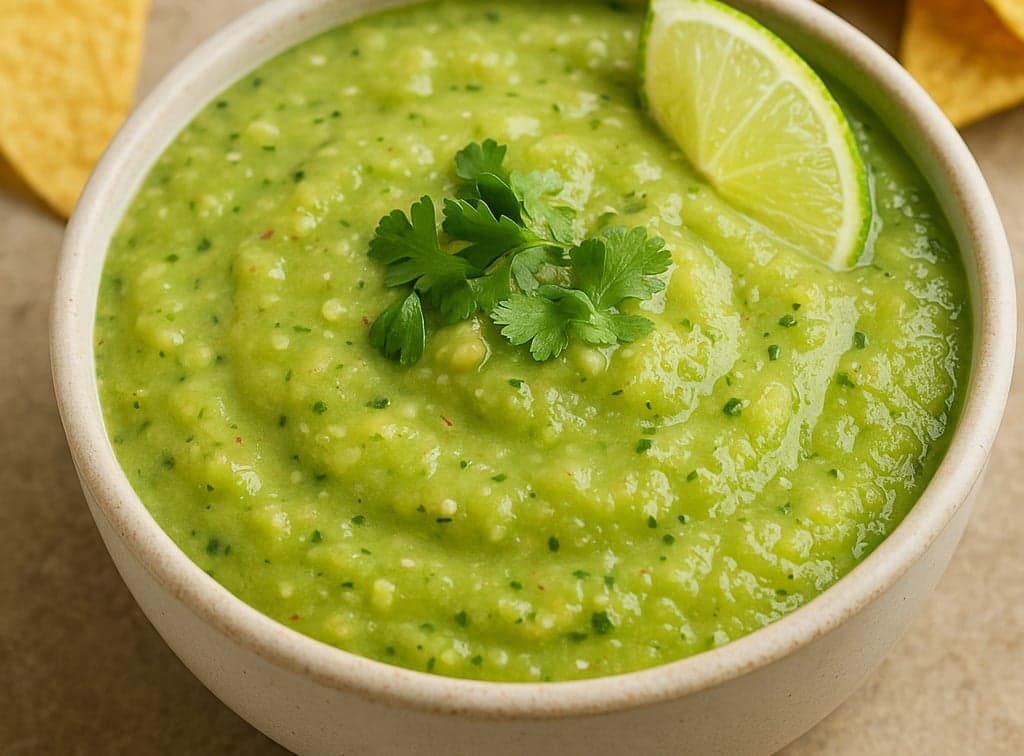
Salsa Verde (Green Tomatillo & Avocado Salsa)

Food Recipes

Salsa Verde (Green Tomatillo & Avocado Salsa)

Inspired by the bold flavors of Guga Foods, this Salsa Verde blends roasted tomatillos, serrano peppers, cilantro, avocado, and a touch of olive oil into a smooth, tangy, and vibrant sauce. With roots in traditional Mexican cooking, this creamy green salsa balances heat, acidity, and freshness in every bite. Perfect for topping tacos, birria, carne asada, or simply dipping tortilla chips, it’s a versatile favorite that adds instant brightness to any dish. The roasted tomatillos give it depth, the avocado brings creaminess, and a squeeze of lime ties it all together for that perfect restaurant-quality flavor at home.

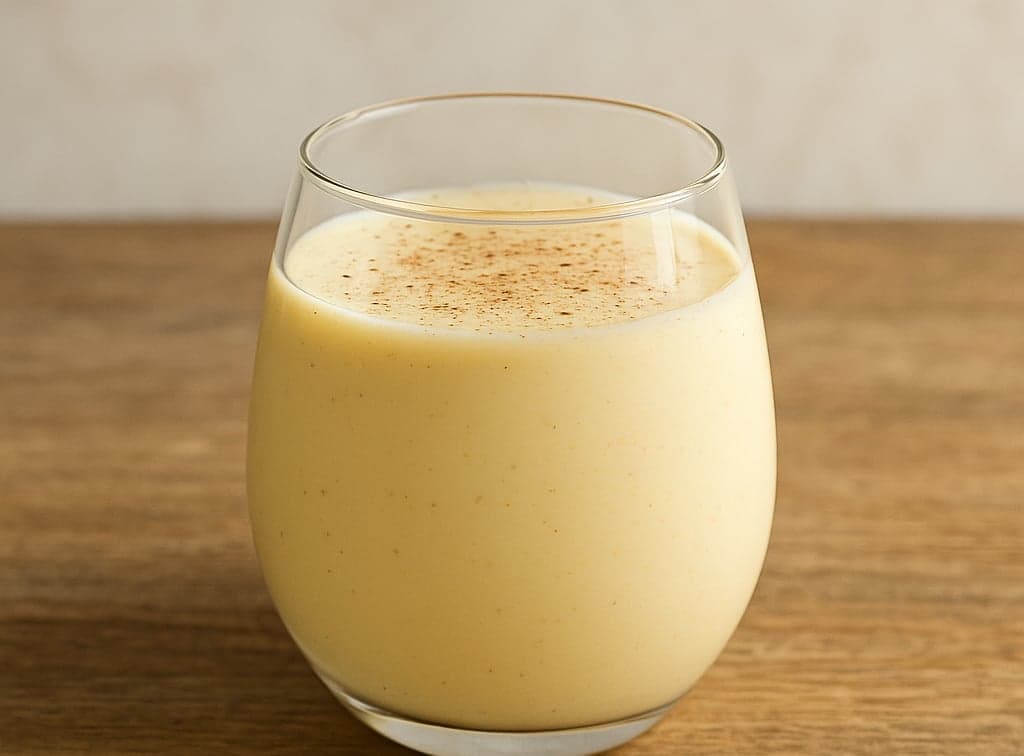
Classic Homemade Eggnog

Drink Recipes

Classic Homemade Eggnog

Beloved for generations, eggnog’s roots trace back to 18th-century England, where it began as a rich milk punch enjoyed by the upper class during winter feasts. When it made its way to colonial America, it quickly became a holiday favorite — with local rum or whiskey adding warmth to every celebration. This homemade version stays true to that timeless tradition, blending fresh eggs, cream, vanilla, and nutmeg into a smooth, custardy drink that’s festive, cozy, and full of old-world charm. Serve it chilled or gently warmed, with or without a splash of bourbon, for the perfect taste of Christmas past and present.

Irish Coffee

Drink Recipes

Irish Coffee

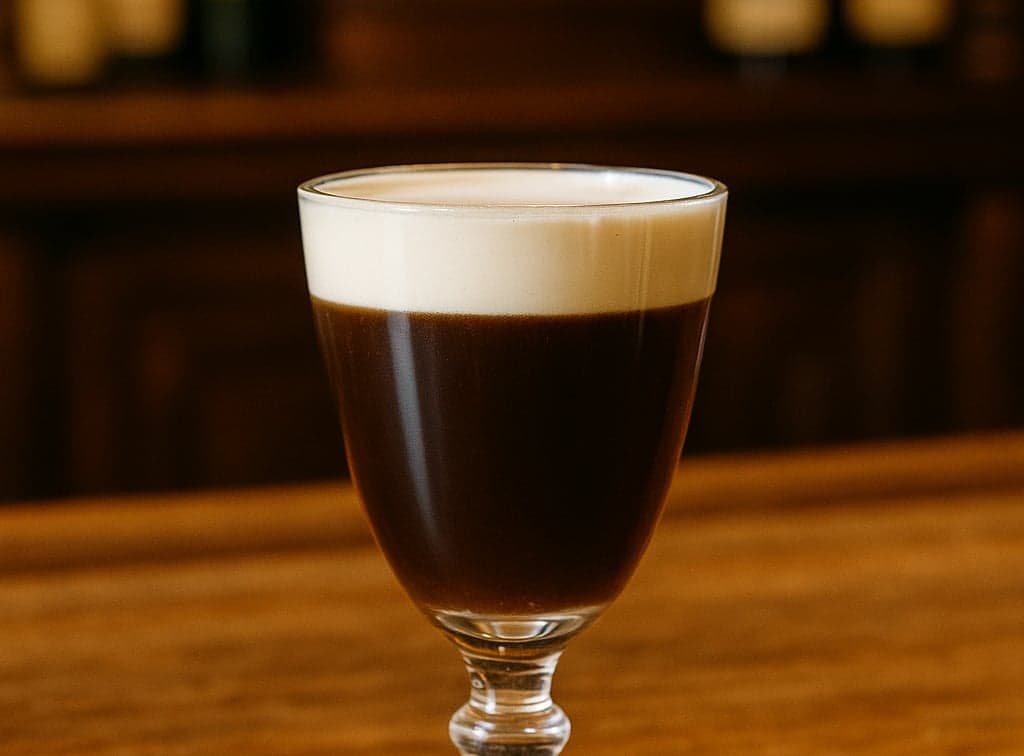
Few cocktails have a story as rich as the Irish Coffee. First created in the 1940s by Chef Joe Sheridan at Ireland’s Foynes Airbase to warm weary travelers, the drink crossed the Atlantic and found new fame at The Buena Vista Café in San Francisco. In 1952, owner Jack Koeppler and travel writer Stanton Delaplane perfected the balance of strong coffee, smooth Irish whiskey, brown sugar, and a crown of lightly whipped cream. The result became a West Coast icon and remains one of the most beloved warm cocktails in the world. This version captures that same legendary flavor — silky, aromatic, and irresistibly comforting — just like the one poured daily at the Buena Vista for over 70 years.

fried chicken

Food Recipes

All-Purpose Brine (Base Recipe)

If you’ve ever wondered how restaurants get chicken so juicy or pork so tender, the secret is a perfectly balanced brine. This simple all-purpose mix of salt, soy sauce, sugar, and spices adds deep flavor while keeping meat moist and tender — perfect for chicken, pork, fish, or even turkey. It cools quickly with ice cubes, saving time and ensuring safety. Salt locks in moisture, sugar balances flavor, and soy sauce adds umami depth, while a touch of heat brings it to life. Use kosher salt, add herbs or citrus for your own twist, and always cool before adding meat. Rinse and pat dry before cooking for perfectly tender results every time.

Kitchen Basics

The Ultimate Guide to Salt Usage: Mastering the Art of Flavoring Your Dishes

Salt in Cooking: Types, Uses, Timing, and How to Season Properly Salt is one of the most essential ingredients in cooking, playing a critical role in flavor enhancement, texture, moisture control, and food preservation. More than just sodium chloride, salt amplifies sweetness, reduces bitterness, enhances umami, and helps balance acidity in both savory and sweet dishes. Proper salting can transform bland food into vibrant, restaurant-quality meals. Different types of salt—such as table salt, kosher salt, sea salt, and Himalayan pink salt—vary in grain size, density, and application. Kosher salt is preferred by many cooks for even seasoning, while flaky sea salt is ideal for finishing dishes. Understanding these differences prevents over- or under-salting and improves consistency in recipes. Salt also plays a key role in cooking science. It improves browning through the Maillard reaction, strengthens gluten in baking, enhances fermentation, and draws moisture through osmosis in brining and curing. Knowing when to add salt—during boiling, marinating, cooking, or finishing—directly impacts flavor penetration and final taste. Accurate salt measurement matters, especially when switching between salt types. Season gradually, taste often, and balance salt with herbs, spices, acidity, and sweetness for complete flavor development. Avoid common mistakes like oversalting early or failing to season cooking water. Mastering salt usage is a foundational cooking skill that elevates every dish and unlocks deeper flavor control in the kitchen.

History

The Art of Winter Food Storage: A Historical Journey

Food preservation has shaped human survival for thousands of years, evolving from necessity into a blend of tradition, science, and modern technology. Early civilizations developed essential preservation methods—drying, salting, fermenting, smoking, and freezing—to survive harsh winters and seasonal shortages. These ancient techniques formed the foundation of global culinary cultures, with regional variations influenced by climate: Arctic communities froze and smoked fish, African regions relied on drying and fermentation, and European societies mastered pickling and later canning. Throughout the Middle Ages and Renaissance, innovations like ice houses and early airtight storage expanded food security, while global trade spread new preservation strategies. The Industrial Revolution transformed food storage with refrigeration, pasteurization, and mass-produced canned goods, making preserved foods widely accessible. Today, sustainability concerns have revived traditional methods such as fermentation, canning, and root cellaring, helping reduce food waste and strengthen local food systems. Looking ahead, modern technologies—smart refrigerators, freeze-drying, vacuum sealing, high-pressure processing, and renewable-powered storage—are shaping the future of food preservation. Together, these historical and contemporary practices reveal how human ingenuity has continually adapted to protect, store, and extend the life of food.

History

Thanksgiving Through the Ages: A True Tale of Traditions and Transformations

Thanksgiving traces back to 1621, when Pilgrims in Plymouth shared a harvest feast with the Wampanoag tribe. This early celebration honored gratitude, survival, and cooperation between two cultures learning to thrive together. The first Thanksgiving meal looked much different than today’s tables. It featured wild turkey, duck, and venison, along with fish, shellfish, corn, beans, and squash—foods native to the region and essential for sustaining early settlers. As centuries passed, Thanksgiving traditions evolved alongside farming practices, cultural influences, and expanding communities. Wild game gradually gave way to farm-raised turkey, and once-simple vegetable dishes grew into the wide variety we recognize today—green beans, sweet potatoes, Brussels sprouts, and more. Seasonings also expanded from local herbs like sage and thyme to global flavors such as cinnamon, nutmeg, paprika, and ginger. Modern Thanksgiving meals reflect America’s diversity. Families blend heritage and tradition, introducing dishes such as tamales, pierogi, lasagna, or plant-based proteins, showcasing the holiday’s inclusive spirit. While menus continue to change, the core meaning of Thanksgiving endures: gathering together, expressing gratitude, and honoring shared history. Each table tells a story—one rooted in the past yet evolving with every generation.

History

The Influence of British Food on World Cuisine: From Humble Beginnings to Fine Dining Excellence

Explore the fascinating evolution of British cuisine, from its humble prehistoric roots to the refined gastronomy that defines the United Kingdom today. This post traces how Roman, medieval, and colonial influences shaped British food, introducing key ingredients like spices, potatoes, and tomatoes that transformed the national palate. Learn how global trade and the British Empire revolutionized everyday meals, leading to comfort food classics like fish and chips, shepherd’s pie, and the full English breakfast. Discover how the Industrial Revolution, fine dining pioneers like Heston Blumenthal, and modern culinary innovators have elevated British cooking onto the world stage. From traditional roasts to Michelin-star artistry, British cuisine reflects centuries of adaptation, cultural exchange, and innovation — a story of flavor that continues to evolve.

History

The Global Influence of Mexican Cuisine: From Early Discoveries to Modern Times

Discover the fascinating story of Mexican cuisine — a culinary journey thousands of years in the making. From ancient Mesoamerican civilizations cultivating maize, beans, and chiles to the Spanish introduction of new ingredients in the 16th century, Mexico’s food culture is a tapestry of history, flavor, and innovation. This post explores how indigenous techniques, colonial influences, and regional diversity shaped authentic Mexican dishes, leading to global favorites like tacos, mole, and tamales. Learn how Tex-Mex cuisine emerged, how modern chefs and media transformed traditional recipes, and what the future holds for sustainable, health-focused Mexican cooking. A deep dive into one of the world’s most celebrated culinary legacies.

History

The Tradition of Turkey: Why It's the Star of Thanksgiving in America

Thanksgiving history and turkey traditions in America — explore how the 1621 Pilgrim and Wampanoag harvest feast inspired the first Thanksgiving, leading to turkey becoming the holiday’s iconic main dish. Learn why turkey was chosen for its abundance, size, and symbolism of gratitude, how it evolved into the national centerpiece after Lincoln’s 1863 proclamation, and how preparation methods from roasting to brining and deep-frying shaped modern celebrations. Discover the cultural significance of turkey in family gatherings, gratitude, and American heritage — from colonial roots to today’s Thanksgiving traditions.

History

A Culinary Journey: The Origins of Fine Dining and the Legacy of French Cuisine

French cuisine has long been celebrated as the epitome of fine dining, with its origins tracing back to the elegant dining halls of Europe. Emerging as a distinct culinary tradition in the 17th century, French cuisine refined the art of cooking, emphasizing technique, presentation, and flavor. Influential chefs like Auguste Escoffier systematized culinary practices, introducing classic sauces and foundational French dishes that continue to inspire chefs worldwide. The French dining experience is not merely about food; it embodies a cultural appreciation for gastronomy, complete with rituals surrounding service and ambiance. As culinary innovations evolve, French cuisine remains a cornerstone of fine dining, showcasing the rich history and artistry that make it truly exceptional. Today, it serves as a benchmark against which many culinary traditions are measured, blending tradition with modern influences while retaining its timeless appeal.

History

The Origins of Wine: A Journey Through Time and Culture

Long before the first vineyards sprawled across sun-drenched hills, the story of wine began in the cradle of civilization, where ancient peoples first discovered the magic of fermenting grapes. This intoxicating elixir emerged from a serendipitous blend of nature and human ingenuity, transforming over the millennia from a simple fermented drink into a cherished cultural symbol. As different regions embraced the craft, distinct flavors and techniques flourished, reflecting the unique terroirs and traditions of their creators. From the sacred rituals of ancient Egypt to the festive celebrations of the Romans, wine wove itself into the very fabric of societal life. Join us on this fascinating journey through time, where we explore the rich heritage and enduring legacy that have shaped wine into the beloved beverage it is today.